If you’re noticing that your favourite moisturiser isn’t working anymore, your hair is looking thinner, or your nails are suddenly splitting, you’re not imagining it. These frustrating changes are one of the most visible (and often highly upsetting) side effects of the menopause transition.
At ESTROboost, we address these challenges not with hope, but with hard science. These changes a direct, biological response to the decline of key hormones, primarily estrogen.
The good news? We can strategically use personalised nutrition to mitigate these effects and support the tissues that make you look and feel vibrant.
How Estrogen Works
Estrogen is a foundational hormone for the health and structure of your skin, hair, and nails. Its decline creates a nutrient deficit and structural breakdown that topical products simply can’t fix alone.
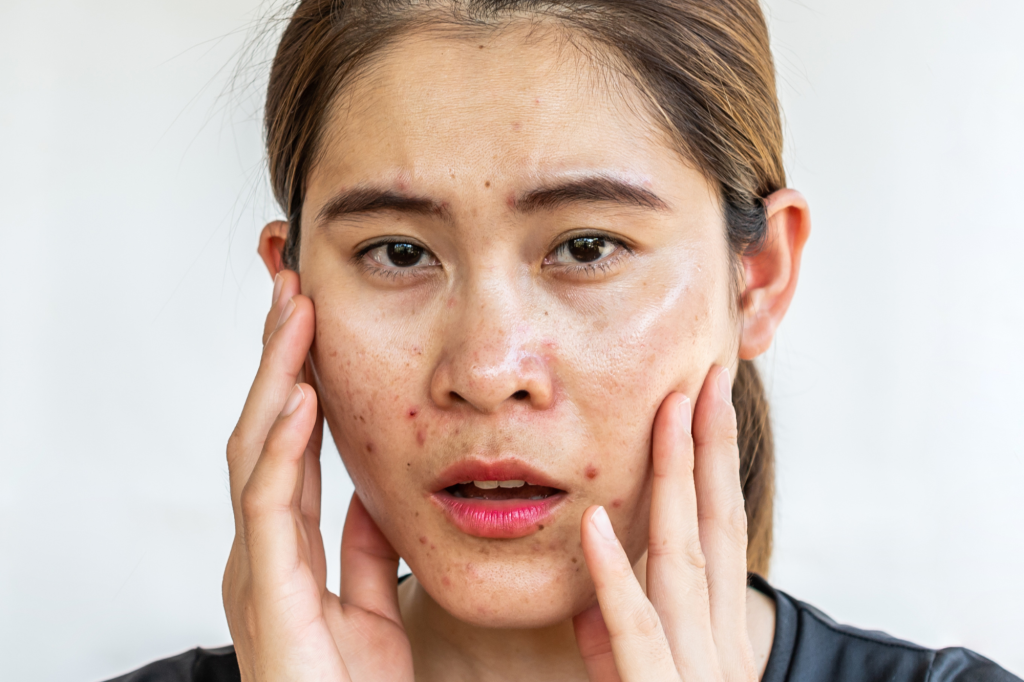
1. The Skin: Loss of Collagen and Elasticity
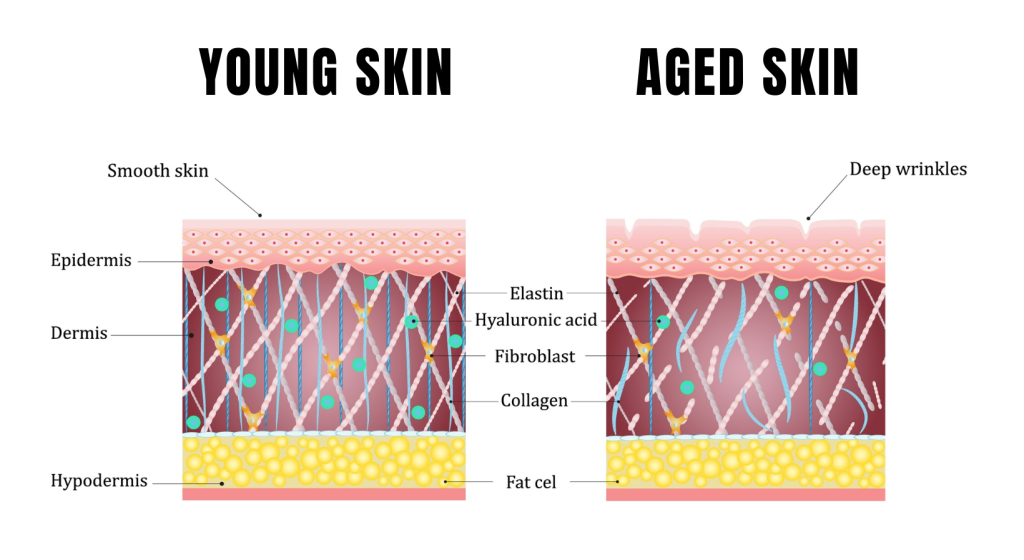
- The Problem: Estrogen supports collagen production and helps maintain skin thickness and hydration. When levels drop, collagen production plummets. Studies show women can lose up to 30% of their skin collagen in the first five years after menopause.
- The Result: Your skin becomes thinner, drier, less elastic, and more prone to sagging, deep wrinkles, and slower wound healing.
2. The Hair: Thinning and Loss
- The Problem: Estrogen prolongs the anagen (growth) phase of the hair cycle. Lower levels shorten this phase, leading to overall thinning. The relative increase in androgens (male hormones) can sometimes trigger unwanted facial hair growth while causing loss on the scalp.
- The Result: Diffuse hair thinning, reduced volume, and an overall drier texture.
3. The Nails: Brittleness and Weakness
- The Problem: Nails are primarily made of a protein called keratin, which is supported by healthy hormonal balance. Reduced estrogen can interfere with the production and integrity of this protein.
- The Result: Nails that are soft, brittle, peel easily, and are prone to splitting.
Your Anti-Aging Strategy: Nutrition as Inner Skincare
You cannot manage a biological crisis with cosmetic fixes alone. We must provide your body with the high-quality, targeted nutrients it needs to rebuild collagen, synthesise keratin, and manage inflammation.
Here are the essential nutritional strategies we use to combat the decline in estrogen:
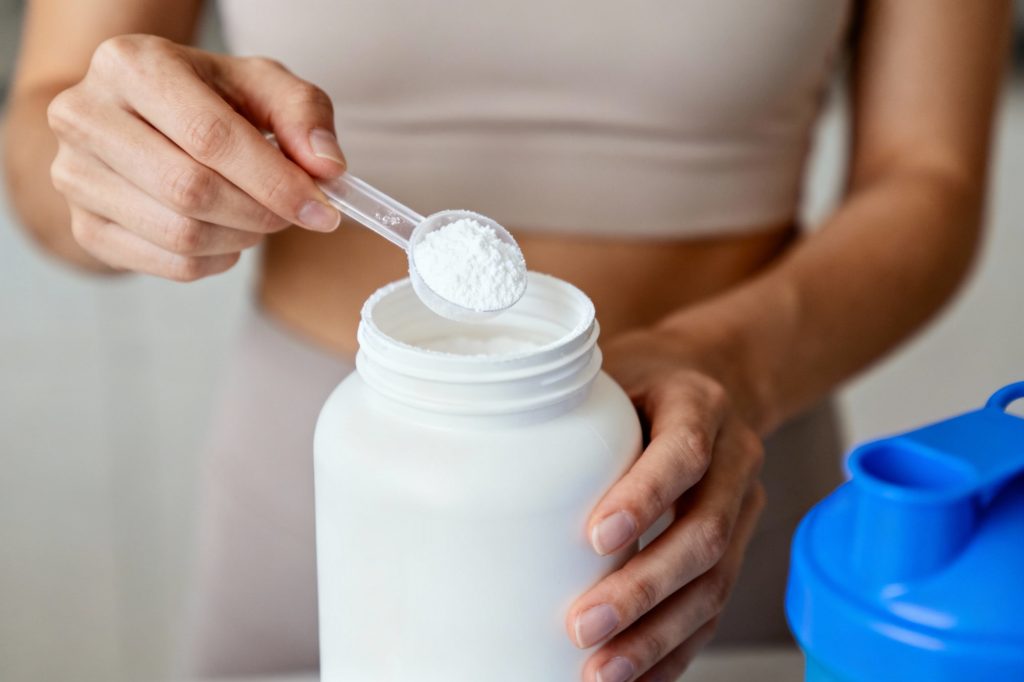
1. High-Quality Protein
Protein is the absolute non-negotiable foundation. Collagen and keratin are both complex proteins, and without adequate intake, your body cannot replace the structural components it’s losing.
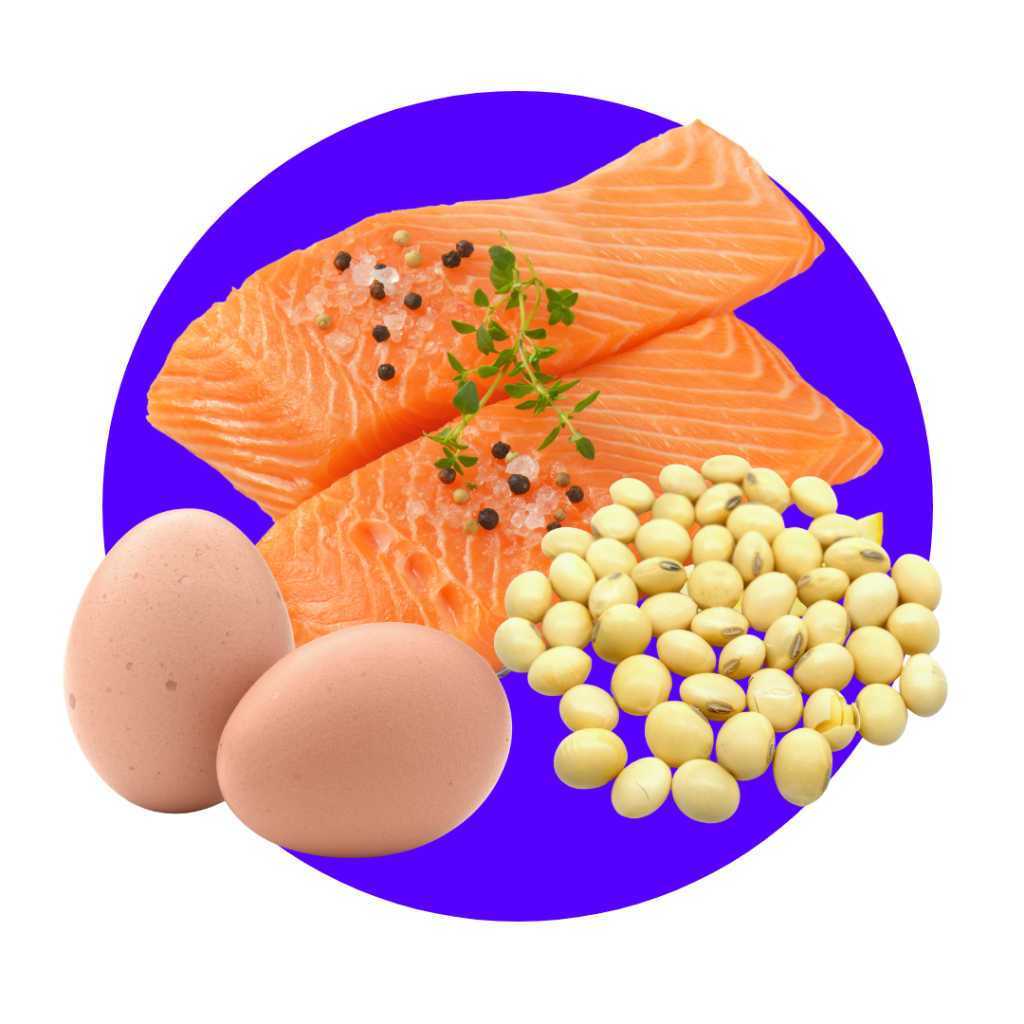
Nutrient Focus | Sources | Why It Works |
Complete Protein | Seafood, poultry, legumes, eggs, soybeans, spirulina. | Provides the essential amino acids required for the synthesis of new collagen and keratin. |
2. Minerals, Vitamins and Antioxidants
These vitamins and minerals act as co-factors – the microscopic workers required to assemble protein structures and protect cells from damage.
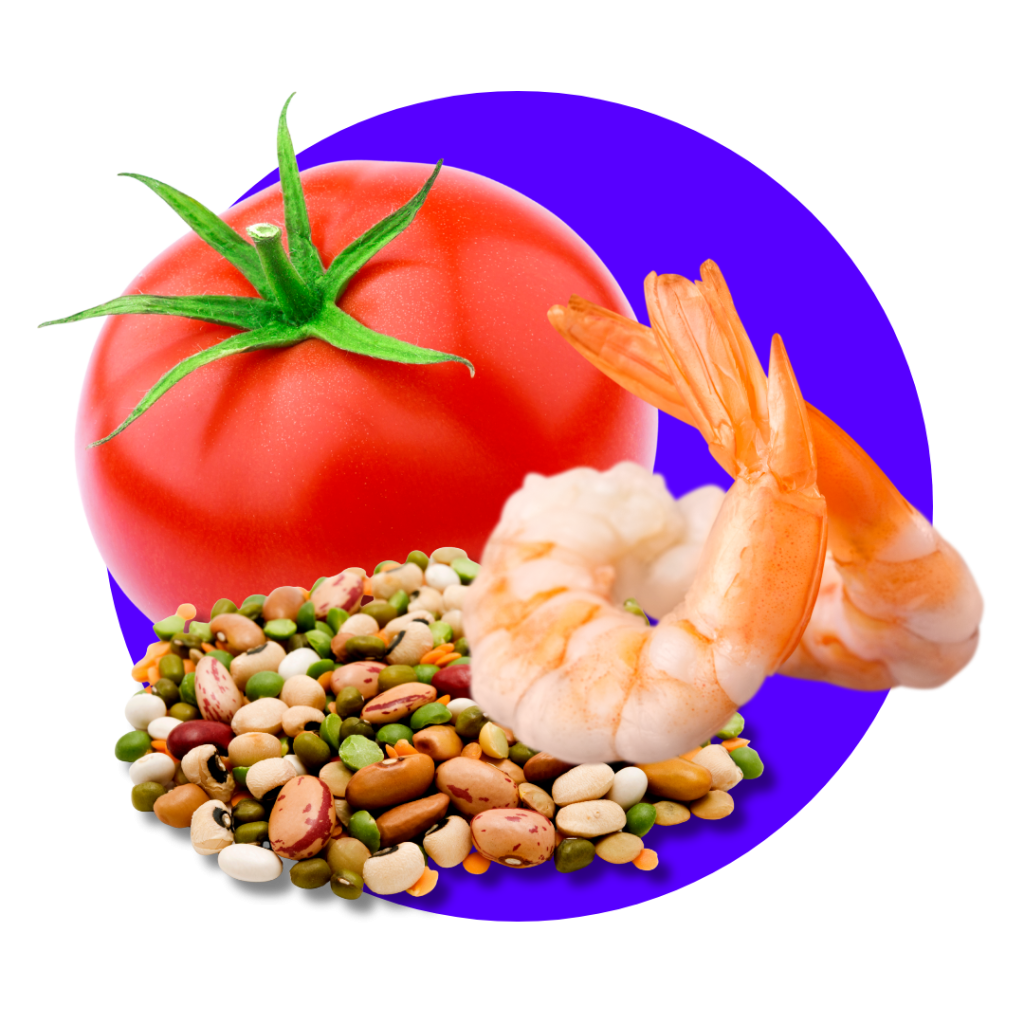
Nutrient Focus | Sources | Why It Works |
Vitamin C | Berries, citrus fruits, tomatoes, leafy greens. | Vital for collagen production; it’s required for the cross-linking that gives collagen its strength. Also an antioxidant. |
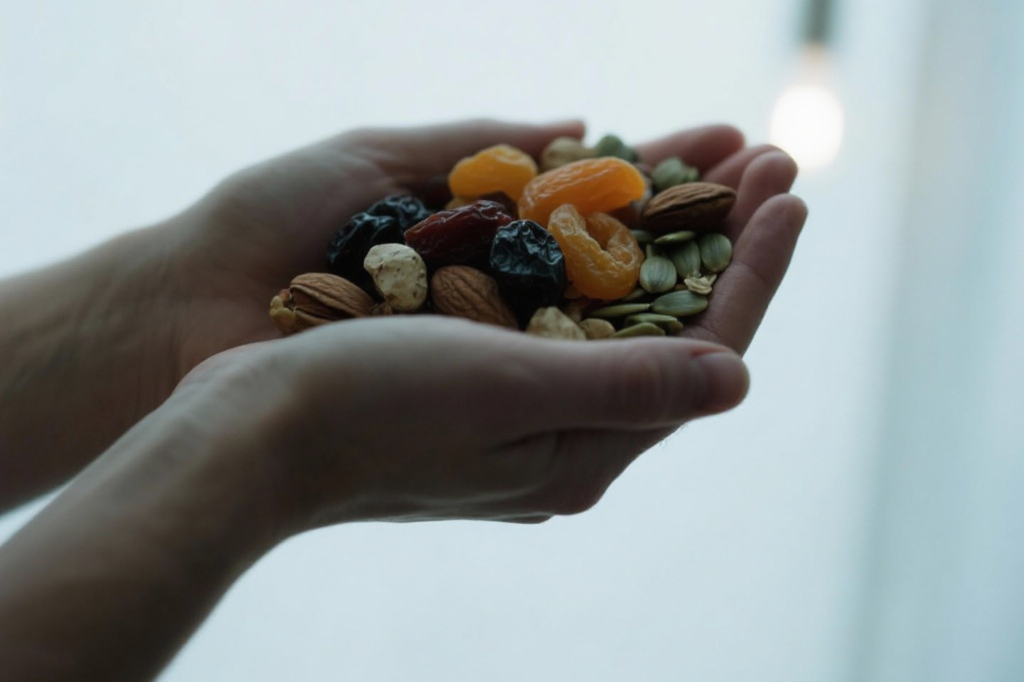
Zinc | Shellfish, nuts, seeds, legumes. | Crucial for DNA and protein synthesis, supporting rapid cell growth needed for hair follicles and nail beds. |
B Vitamins (Biotin, Niacin) | Whole grains, eggs, nuts, seeds. | Supports cell health and blood flow, which delivers nutrients to the scalp and nail matrix. |
3. Fats and Phytoestrogens
Healthy fats provide internal moisture and reduce the inflammation that accelerates skin ageing.
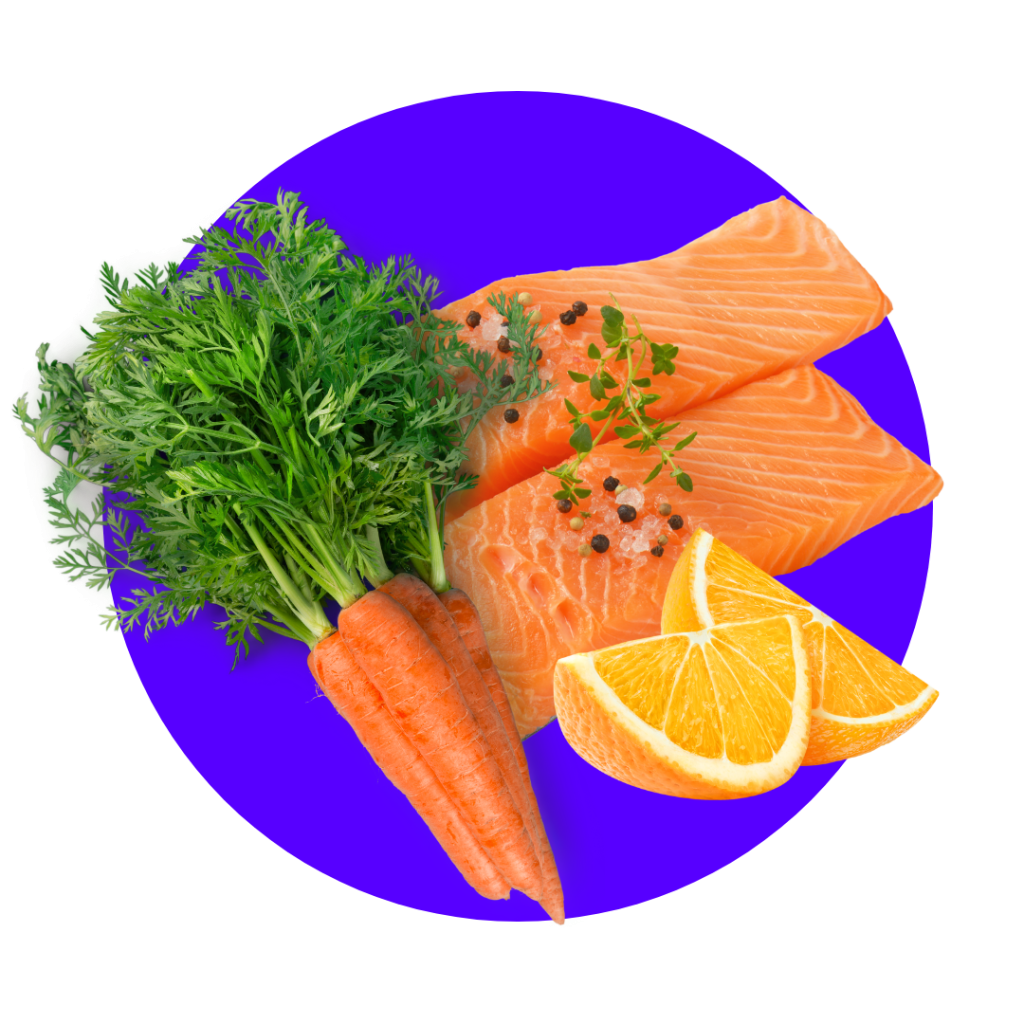
Nutrient Focus | Sources | Why It Works |
Omega-3 Fatty Acids | Fatty fish (salmon, sardines), flaxseeds, chia seeds, walnuts. | Supports the skin’s lipid barrier (reducing dryness) and acts as a powerful anti-inflammatory agent. |
Phytoestrogens | Flaxseeds, soybeans, legumes, green tea. | Plant compounds that can gently mimic or modulate estrogen in the body, potentially stabilizing hormonal symptoms and supporting bone health. |
Vitamin A | Sweet potatoes, carrots, pumpkin, mango. | Supports cell regeneration and helps tissues retain essential moisture. |
The ESTROboost Difference: Personalised Science
Topical treatments are valuable, but they are purely maintenance. Nutrition is restoration.
My approach is to move beyond generic advice. We assess your unique dietary gaps and metabolic needs to create a plan that ensures maximum absorption of these critical nutrients. Your skin, hair, and nails are a direct reflection of your internal health, and they are sending you a clear signal.
It’s time to listen to the science and invest in a strategic plan that truly works from the inside out.