This is the news we’ve been waiting for! For years, creatine was relegated to the gym floor, seen as a supplement exclusively for muscle and strength. But science is proving it’s a powerful tool for your brain, especially as you navigate perimenopause and menopause.
A groundbreaking study, the CONCRET-MENOPA trial, published in August 2025, is the first-ever randomized controlled trial (RCT) to look specifically at how low-dose creatine affects healthy women in this life stage. The results are incredibly promising for anyone dealing with the dreaded “brain fog” and annoying mood shifts.
What the Science Actually Found
The researchers took a group of women and gave them various low doses of creatine or a placebo for eight weeks. Here’s the most important finding, explained in simple terms:
1. Your Brain Gets a Speed Boost
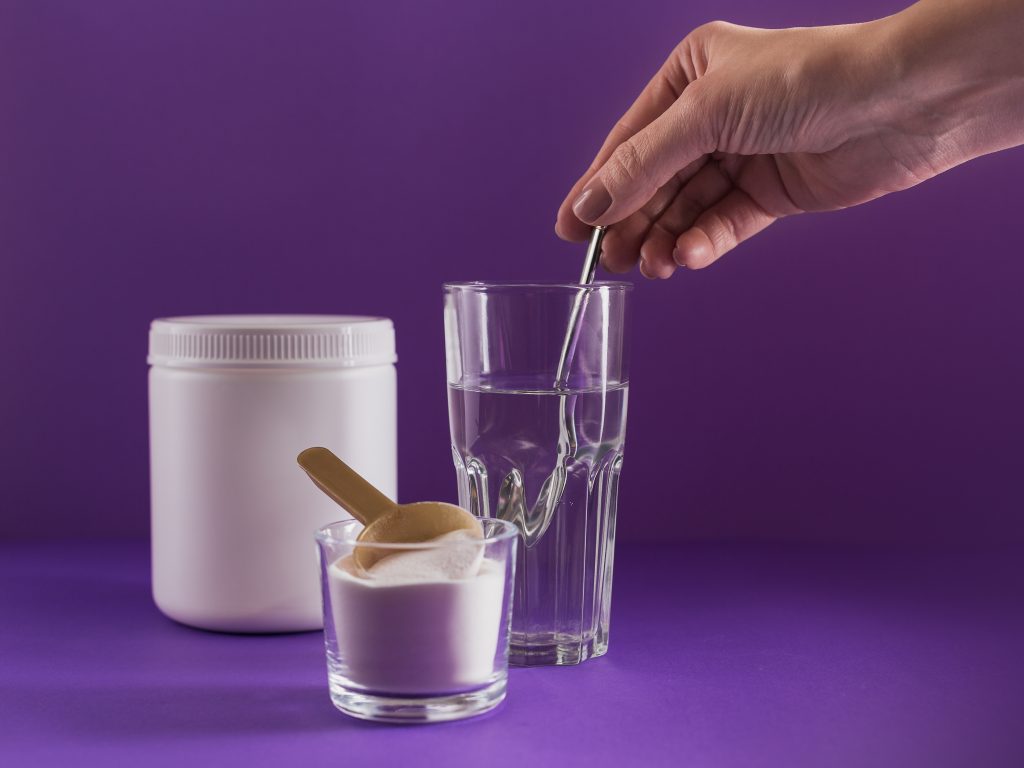
The Finding: Women taking the medium dose (1,500 mg/day of creatine hydrochloride) showed faster reaction times.
What It Means: Your brain processed information more quickly. That frustrating lag or feeling of being slow to recall a word? Creatine helps put the “snap” back into your cognitive processing, potentially helping with concentration and decision-making.
2. Fueling the Frontal Lobe
The Finding: The same group showed higher levels of creatine in the frontal part of the brain.
What It Means: The frontal lobe is the brain’s control center – it’s responsible for executive functions like focus, planning, and emotional regulation. Creatine is essentially cellular energy storage, so increasing its levels in this key area means more fuel for your most complex thinking tasks.
3. Unexpected Metabolic Wins
The Finding: The women who took the medium dose also saw better blood lipid profiles.
What It Means: This is a fantastic bonus. Better lipid profiles generally translate to a lower risk of heart disease, a major health priority for women after menopause. They also noted a possible positive effect on mood swings.
Why This Is a MASSIVE for Women 40+?
This study is important because it shows benefits even without exercise. For busy women who are struggling with fatigue or simply don’t have time for intense training, this is an accessible way to support their vitality.
Remember: Women naturally have lower creatine stores than men, and this disparity can widen during menopause. Supplementation may be an especially powerful and practical way to support your brain and mood during this transition.
The Key Takeaway: The trial was small and short-term, but it strongly suggests that low-dose creatine (specifically 1,500 mg/day) is a safe and effective way to fight brain fog and stabilise mood.
At ESTROboost, we are committed to solutions backed by hard science. This groundbreaking research is a promising first step toward giving women another powerful tool to not just survive menopause, but thrive through it.